

Habitat Gardens and Ecological Integration
Exquisite Gardens. Timeless Elegance. Your Sanctuary Shaped by Nature.
Habitat Gardens and Ecological Integration is for clients who want a landscape that supports life in a meaningful way while remaining composed, intentional, and refined. This service builds layered ecological plant communities that provide food, shelter, and seasonal structure for pollinators, birds, and local wildlife, often supported by quietly integrated hardscaping that clarifies edges, guides movement, and keeps the garden legible.
Begin with a brief phone conversation. On-site consultations are scheduled when we’re aligned.
Explore Services
Garden & Landscape Consulting | Landscape Design and Master Planning | Planting Design and Ecological Plant Communities | Garden Coaching | Native Bee and Pollinator Support | Habitat Gardens and Ecological Integration | Rain Gardens and Stormwater Integration | Outdoor Hardscape and Garden Structure
Habitat as a Composed Garden
Habitat is not a theme I add at the end. It is designed into the composition from the beginning, so the landscape supports pollinators, birds, and biodiversity while remaining refined and legible. Plant communities, seasonal structure, water, and “leave-in-place” practices work together as one integrated system.
Read the Field Note: Habitat Gardens →
What This Service Is
A habitat garden is not a “wild” garden. It is a designed landscape with ecological function, built with restraint, clarity, and horticultural precision.
I integrate habitat value through the same principles that guide all of my work: careful site reading, layered planting design, four-season legibility, and long-term performance. The result is a landscape that feels elevated and calm, while quietly providing what living systems need to thrive.
This service can be incorporated into a full master plan and planting plan, or applied to an existing garden that needs ecological strengthening.
What a Habitat Garden Provides
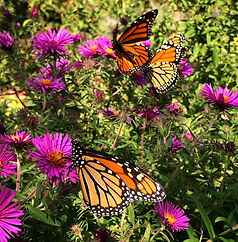
Habitat value is created through more than flowers alone. A functioning landscape includes season-long resources and layered structure that supports life year-round.
Depending on your property and goals, habitat integration may provide:
-
Season-long resources for pollinators, from early spring through late autumn
-
Layered structure that supports birds and beneficial wildlife: canopy, shrubs, perennials, and ground layer
-
Shelter and refuge through dense structure, edges, and winter presence
-
Food sources such as berries, seedheads, and host plants for native insects
-
Resilience through plant communities designed for real site conditions, not idealized assumptions
All of this is designed to remain refined and legible, so the landscape reads as intentional and elevated.
Who This Is For
Habitat Gardens and Ecological Integration is ideal when you:
-
Want your property to support pollinators, birds, and local wildlife without sacrificing refinement
-
Prefer planting that feels natural, but still clearly designed and intentional
-
Want a garden that improves over time and holds structure through all seasons
-
Are reducing lawn and replacing it with layered beds and ecological plant communities
-
Want to strengthen biodiversity and resilience in the face of heat, drought, or heavy rain
-
Have an existing landscape that is beautiful, but lacks depth, structure, or ecological function
-
Want planting, edges, and quietly integrated hardscaping to feel unified as one experience

What We Evaluate
Depending on the site, the work may begin with an assessment of:
-
Light, soils, moisture patterns, and microclimates
-
Existing plant community composition and seasonal performance
-
Habitat structure: canopy, shrub layer, perennial layer, ground layer
-
Areas where shelter, nesting, and overwintering support can be strengthened
-
Invasive pressure and opportunities for ecological editing
-
How water movement, drainage, and rain gardens can deepen function
-
Where quietly integrated hardscaping can improve clarity and experience while supporting planting
What Habitat Integration Can Include
This work may include:
-
Layered ecological plant communities designed for four-season structure and succession
-
Planting strategies that support pollinators and native insects through the seasons
-
Bird-supporting structure: cover, berries, seedheads, and winter refuge
-
Lawn reduction and bed expansion with clean edges and legible composition
-
Invasive strategy and plant edits to strengthen function and long-term performance
-
Integration with rain gardens, drainage improvements, and stormwater features
-
Maintenance guidance that protects habitat value while keeping the garden clean and composed
What You Gain
You receive:
-
A refined, site-specific strategy for ecological function and long-term beauty
-
Planting designed to mature gracefully and become richer with time
-
Four-season legibility, including winter structure and habitat value
-
A landscape that supports life while maintaining an elevated aesthetic
-
Guidance for stewardship and seasonal decisions that keep the system improving
Where This Fits in The Coan Method™
Habitat integration can be woven throughout The Coan Method™, most often expressed through planting design and long-term evolution management. It may begin during consulting, deepen during master planning, and become fully realized through planting design, installation, and ongoing refinement.
This service most often supports:
-
Step 1: Consulting (site assessment and priorities)
-
Step 4: Planting Design (ecological plant communities and four-season structure)
-
Step 7: Evolution Management (seasonal stewardship and refinement)
Investment Guidance
Planning ranges vary by scope, site conditions, and materials.
-
Garden-only projects typically begin around $15,000 to $20,000
-
Gardens incorporating light hardscape often begin near $35,000
-
Many residential clients invest $30,000 to $80,000
-
Larger estate properties are often developed in thoughtful phases beginning at $150,000 and beyond
Scope, sequencing, and overall investment are refined through a paid consultation and master plan prior to construction.
Service Area & Availability
Stephen accepts a limited number of new clients each season to ensure every project receives the highest level of attention, artistry, and horticultural care.
Service area includes Southern and Middle New Jersey and the Philadelphia tri-state region, including Philadelphia, the Main Line, and the Delaware Valley.
A limited number of destination commissions nationwide are accepted each year by invitation.
Create a Living Landscape
A composed, intentional garden that supports pollinators, birds, and wildlife through layered
ecological plant communities.
Apply for your complementary consultation to begin your journey toward a bespoke, nature-inspired landscape.
Share a few details about what you want the landscape to support, and I’ll recommend the right starting point.
Limited seasonal availability. Inquiries reviewed once or twice per week.