
Field Guides
Field Guides are studio resources designed to help you see gardens and landscapes with more clarity. They cover plant-forward composition, site intelligence, ecology, and the quiet structure that helps a landscape mature beautifully over time.
Written for the Philadelphia tri-state (NJ/PA/DE). The principles travel well, though specifics like soils, timing, and plant selection are always site- and region-dependent.
Access: Free guides are unlocked on this site after a brief sign-up to confirm your email and reduce spam. Some entries may be marked Forthcoming and are not yet available. New guides are added as they are completed.
Guide list
Field Guide 01
Field Guide 01: How to Read a Nature-Inspired Garden
Learn the cues that reveal intention: quiet structure, layered planting, four-season legibility, and ecological function, plus a 10-minute worksheet to read your own property.
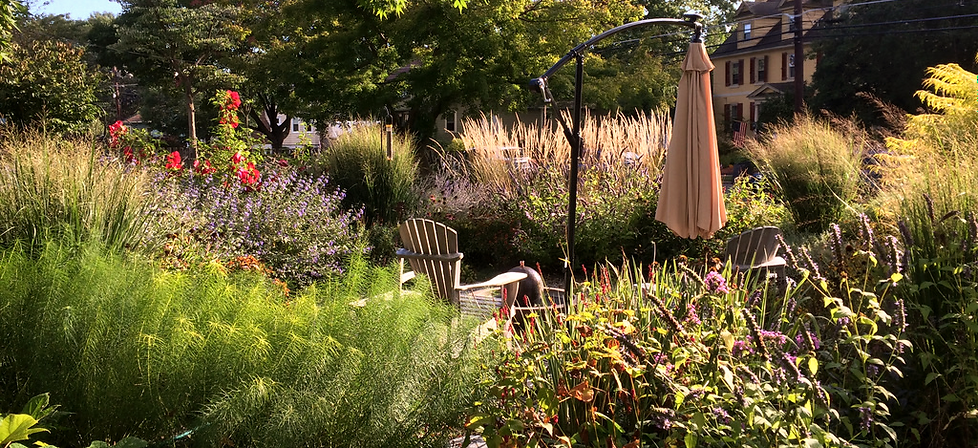
A nature-inspired garden isn’t just “pretty planting.” It’s a living composition with structure, rhythm, and purpose. This guide gives you a clear framework to read a landscape quickly, then apply it to your own property with a short, practical worksheet.
You’ll learn:
-
the 10-second read for coherence and structure
-
what “quiet architecture” looks like in real gardens
-
how to recognize planting that will improve with age
-
what four-season legibility actually means
-
how ecology can be embedded without a messy look
Field Guide 02
Field Guide 02: The Hybrid Garden: Naturalistic + Nature-Inspired, Living Habitat
Understand the hybrid approach: naturalistic planting held inside quiet architecture, with pollinator and bird-supporting habitat woven in as a refined design layer.
This guide explains the signature balance behind Stephen’s work: landscapes that feel alive and immersive, yet still read as composed and refined. You’ll learn how naturalistic planting and nature-inspired structure work together, and how habitat value is integrated without sacrificing clarity.
You’ll learn:
-
the real difference between naturalistic and nature-inspired
-
how quiet structure makes planting feel calm, not chaotic
-
how habitat becomes a design layer, not a bolt-on feature
-
why stewardship and timing protect both beauty and ecology
-
what “refined habitat” looks like in practice
Field Guide 03
Field Guide 03: Drainage and Water Flow: Reading the Site Before You Build
Learn to read grade, runoff, and low points, and understand how quiet water solutions protect soil, planting performance, and long-term durability.
Before a single plant goes in the ground, water decides what will thrive. This guide shows you how to read the site signals that reveal where water comes from, where it concentrates, and how it can be managed quietly so the garden matures cleanly and holds up over time.
You’ll learn:
-
the three questions that guide every drainage decision
-
what to look for when a yard stays wet, washes out, or compacts
-
why “fixing drainage later” usually costs more
-
what quiet solutions look like (basins, rain gardens, stone channels)
-
how soil differences across NJ/PA/DE change the approach
Begin the Conversation
Begin with a brief phone conversation to explore your goals and property. When we’re aligned, an on-site consultation is scheduled and the most appropriate path forward is defined.