
Landscape Lighting
- Stephen Coan
- Mar 3
- 3 min read

Updated: Mar 30
Subtle illumination that reveals structure, guides movement, and extends the garden’s beauty after dark
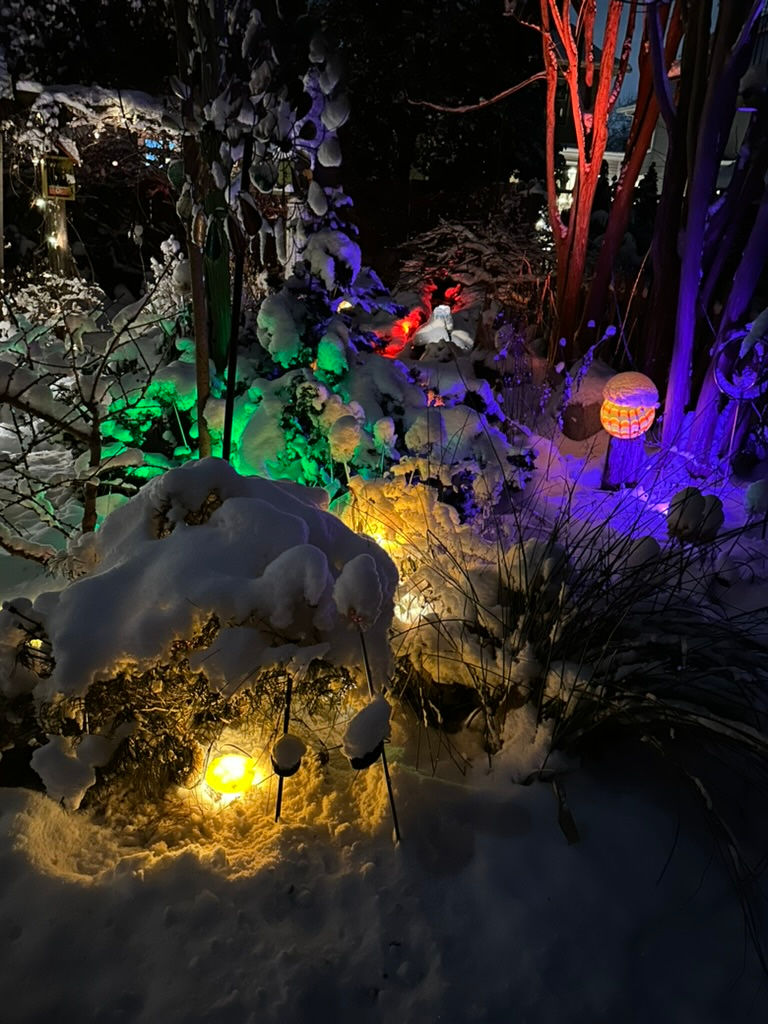
A restrained lighting composition that illuminates a wintry nightscape.
Lighting is more than a practical necessity. Done well, it transforms a landscape into a composed nocturnal experience, one that feels atmospheric rather than overlit.
In The Coan Method™, lighting is approached with restraint and intention. Every glow has a purpose: to guide circulation, reveal quiet architecture, and highlight living forms in a way that still lets darkness remain part of the design.
[Photo: After intro paragraphs]Best image type: A wide dusk view from inside the house or along a main approach.
Design for atmosphere, not brightness
The most common mistake is treating landscape lighting like outdoor illumination.
Great lighting is closer to composition. It creates depth, contrast, and selective emphasis, so the garden reads with clarity at night without losing its mystery.
Let pathways feel guided, not lined
Path lighting should support movement without turning the yard into a runway.
I aim for a calm, navigable rhythm, enough visibility to move confidently while keeping the edges soft. The goal is safety and legibility without harsh glare or visual clutter.
Light what matters: structure, texture, and form
At night, the garden reads differently. Broad color becomes less important. Form and texture take command.
Lighting is most powerful when it’s used to reveal:
branching architecture of shrubs and small trees
the vertical shimmer of grasses and seed heads
stone edges, thresholds, and subtle grade transitions
focal moments that anchor the view from inside the home
[Photo: Mid-post detail, placed here]Best image type: A close-up showing grazing light on stone, grasses, or branch structure.
Use darkness as part of the design
Less is truly more, but only when less is intentional.
I design lighting with negative space so the eye has somewhere to rest. Darkness creates the contrast that makes illuminated areas feel dimensional and cinematic.
Winter is where lighting becomes unforgettable
Winter is often when clients truly understand what lighting can do.
Snow becomes a reflector. Frost catches highlights. Bare branches turn into calligraphy. The garden’s structure is amplified, and a landscape that might feel quiet by day becomes luminous at night.
[Photo: Optional seasonal image, placed here if available]Best image type: A winter dusk shot with snow or frost reflecting light.
In Practice: Landscape lighting that feels refined
[Photo: Optional, placed just before this callout]Best image type: A simple before/after pair or a single instructive lighting composition.
Start with views from inside: entry, kitchen, primary living room windows.
Choose a few focal points, not dozens: one tree, one grass mass, one threshold.
Prioritize shielded fixtures and glare control.
Light edges and grade changes for safety, not every square foot.
Adjust after installation, small aiming changes make a dramatic difference.
The bottom line
The most effective landscape lighting is often the least conspicuous. It does not flatten the garden or turn the night into daylight. It quietly extends the experience of the landscape, revealing structure, texture, thresholds, and a sense of welcome after dark. When handled with restraint, lighting becomes part of the garden’s atmosphere rather than a distraction from it.
Continue Exploring
To see how lighting fits into the larger structure of a garden, these are good next places to go.
Read next: Edges and Thresholds: Where Luxury Lives
Explore: Garden Architecture
Learn more: Outdoor Hardscape and Garden Structure
Considering lighting as part of a larger landscape vision?
Begin with a brief phone conversation to explore your goals, property, and what may be possible.
Stephen Coan
Stephen Coan Garden Design
NJHIC# 13VH08688500
About the Author
Stephen Coan is an award winning garden and landscape designer and horticulturist behind Stephen Coan Garden Design, creating plant-forward, nature-inspired landscapes with quietly integrated hardscaping across Southern New Jersey, Philadelphia, the Main Line, and the Delaware Valley.
Service Area: Southern New Jersey • Philadelphia • Main Line • Delaware Valley • Greater Tri-State Region
Select destination projects accepted nationwide by invitation.
Comments